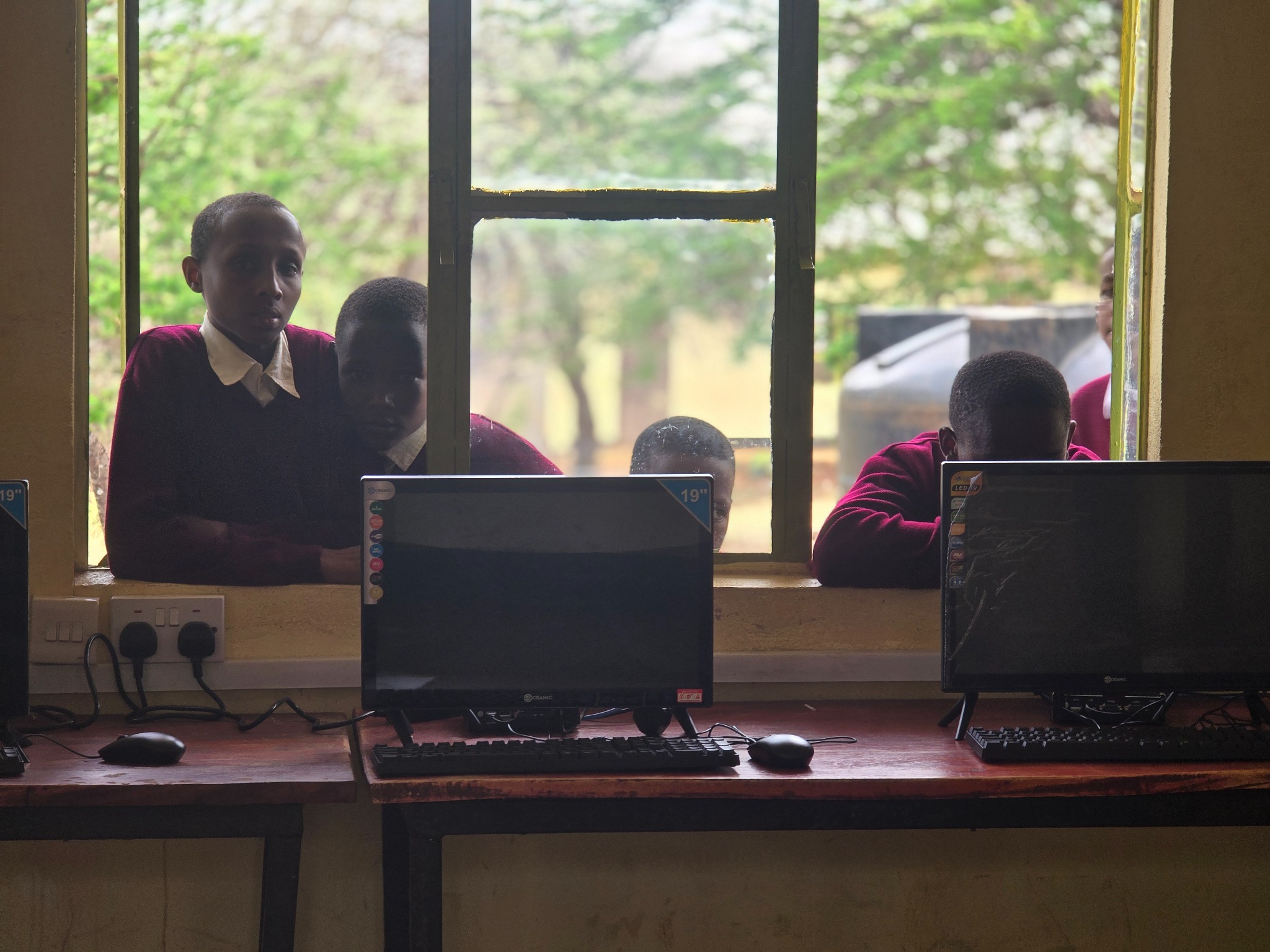
Powering a path to digital learning.
PEF works with public secondary schools to expand access to solar-powered computer labs, digital resources, and practical skills.
Explore our programs

POTENTIAL ENHANCEMENT FOUNDATION

Potential Enhancement Foundation (PEF) is a registered non-governmental organization in Tanzania. We help awaken students’ potential by providing solar-powered computer laboratories, digital learning resources, internet access, and training to public secondary schools in underserved communities.

Our Vision & Mission

Our Vision

Our Vision is All students in Tanzania experiencing the joys of technology: efficient production, easy access to information and communication.

Our Mission

To use technology to enhance education and stimulate the development of students in Tanzania while respecting and incorporating values of the local culture.

What We Do

We design and implement solar-powered computer laboratories in public secondary schools across Tanzania. PEF works with school communities and Powering Potential to expand access to technology and practical learning.

  • Computers and digital resources for research, exam preparation, and digital literacy.
  • Solar power and classroom wiring for reliable access to clean energy.
  • Internet connectivity for online learning materials.
  • Teacher and student training to support everyday learning.

Installation journey · From preparation to learning

Each laboratory brings together school-community preparation, PEF’s technical work, and support from Powering Potential.

  1. Assess needs and classroom readiness. PEF conducts baseline surveys and checks the proposed classroom and its security.
  2. Prepare the learning space. The school prepares a secure classroom, tables, and chairs.
  3. Configure and test. PEF prepares and tests computers and equipment before loading them for delivery.
  4. Deliver to the school. Equipment travels to the school, including along difficult rural roads such as the route to Qurus.
  5. Install solar power and computers. Solar systems, electrical wiring, and computer workstations turn the classroom into a digital-learning laboratory.
  6. Connect and introduce users. PEF supports internet setup, tests the systems, and provides initial instruction.
  7. Support continued learning. Students use digital resources for research, practical computer skills, and examination preparation, supported by maintenance and monitoring.

Explore the Qurus stories ↓

School progress · 2026

September updates report implementation at Awet, Mang’ola, Qurus, Kansay, and Gyekrum Lambo.

  • Qurus: a connected lab supports access to past examination papers and subject research.
  • Kansay: documented preparation, delivery, and installation led to a laboratory ready for use.
  • Gyekrum Lambo: internet connectivity work was completed despite difficult field conditions.
View 2026 school enrolment

2026 School Enrolment

28 schools · 10,588 students

School enrolment in 2026
SchoolBoysGirlsTotal
Diego240290530
Gyekrum Lambo99147246
Domel238321559
Banjika184261445
Slahhamo155173328
Qangdend167187354
Oldeani352469821
Florian89582671
Kilimatembo109155264
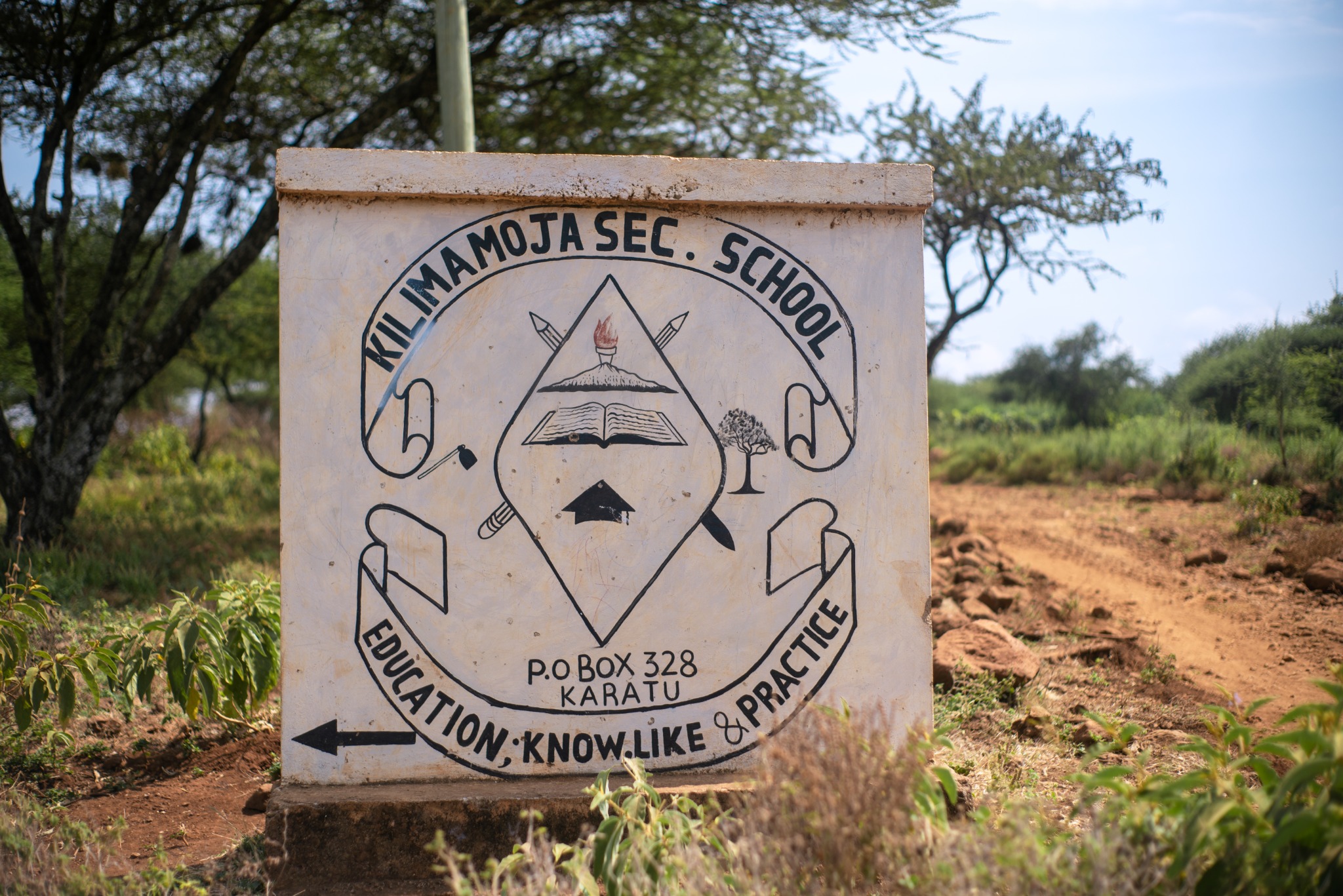
Kilimamoja203256459
Chaenda146315461
Gyekrum Arusha259337596
Upper Kitete163190353
Kainam Rhotia100148248
Endabash100252352
Qaru115195310
M/Sumawe102121223
Marang83196279
Baray274357631
Wel Wel194215409
Awet195270465
Mang’ola173249422
Orboshan9385178
Kansay125197322
Baray Khusumayi3583118
Edith Gvora5253105
Qurus104146250
Lake Eyasi73116189
Total4222636610,588

Every lab has a local story

Explore the people, practical skills, and school communities behind PEF’s digital-learning programme.

Banjika · Skills made practical

Computer studies have helped me develop practical skills. I can design certificates, forms, and schedules for different events.

Emiliana Constantine · Form Three student, Banjika Secondary School
Qurus · A community’s commitment to learning

A difficult journey, a new opportunity

Reaching Qurus Secondary School means travelling along a challenging rocky road. PEF delivered and installed a solar-powered computer laboratory, bringing digital learning resources and internet access to this remote school community.

Learning together in the new laboratory

Students use the computers and internet to find and practise past national examination papers, conduct academic research, and strengthen their understanding of different subjects. The September 2026 update documented students working together and receiving guidance as they prepared for their national examinations.

Community effort beyond the classroom

Some students walk long distances to school. To support study, the community prepared overnight shelter in classrooms and contributed maize and greens for meals. These efforts show the determination surrounding the school’s learning journey.

The new laboratory adds another resource to that shared commitment, giving students more ways to practise, explore, and learn.

Kansay · From preparation to a ready laboratory

The school’s journey brought together classroom preparation, equipment delivery, unpacking with teachers, system setup, and a computer laboratory ready for use.

Gyekrum Lambo · Connecting a remote school

Internet-connectivity work was completed despite challenging field conditions, extending access to online learning resources.

Kilimamoja · Regular learning and Computer Science

The solar-powered laboratory supports practical computer skills and access to digital learning materials. Fourteen students—seven girls and seven boys—registered for the 2026 national Computer Science examination, with two 80-minute teaching periods each week.

Baray Khusumay · Preparing the learning space

The school community prepared a secure computer classroom, tables, and chairs as the foundation for its digital-learning installation.

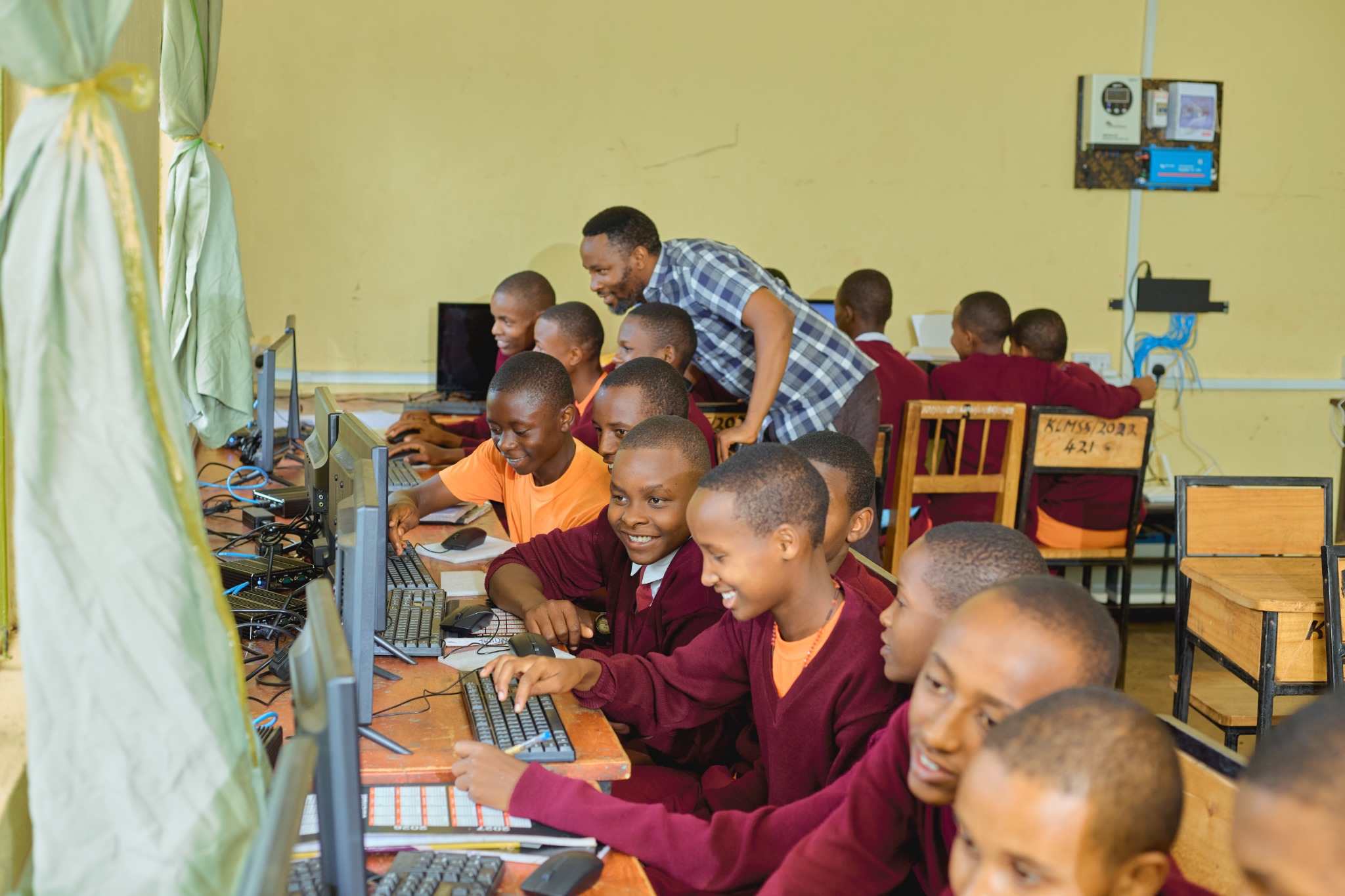
Learning in action · Kainam Rhotia

A glimpse of a Computer Science class at Kainam Rhotia Secondary School.
Open the class video

Support a School — contact us about computers, solar power, training, or internet sponsorship.

Our Programs

KDP

The Karatu District Program brings solar-powered computer laboratories and digital learning resources to public secondary schools in Karatu District.
Read More

SPARC+

SPARC+ expands existing SPARC laboratories with additional computers and increased solar power capacity, giving more students access to digital learning.
Read More

SPARC

We use solar-powered, Raspberry Pi computers and offline digital educational materials.
Read More

Pioneer

An affordable teaching tool that uses a single Raspberry Pi computer loaded with digital educational content to support classroom learning.
Read More

Our Impact

50+

PROJECTS IMPLEMENTED IN SCHOOLS IN TANZANIA

30,000+

STUDENTS & TEACHERS HAVE A WORLD OF KNOWLEDGE AT THEIR FINGERTIPS

49%

OF SURVEYED GRADUATES CONTINUED THEIR EDUCATION

58%

OF SURVEYED GRADUATES EMPLOYED DUE TO COMPUTER TRAINING

Feedback From Our Beneficiaries

Our Partners